Showing posts with label Time tracking. Show all posts

Thursday, 25 June 2026

Looking for a Basecamp Alternative? Here’s What Actually Matters

Basecamp is a much-loved tool, and for good reason. It is simple, calm, and easy to learn. But many teams reach a point where simple is no longer enough. The deadlines get tighter, the projects get bigger, and suddenly, you are missing the features you need. So the search for a Basecamp alternative begins.


If that is you, this guide will help. We will look at why teams move on, what to look for in a replacement, and how the costs really compare. Let’s start with the why.

Why Teams Outgrow Basecamp

Basecamp’s strength is its simplicity. Yet that same simplicity becomes a ceiling as you scale. Three gaps tend to push teams to look elsewhere. 

First, there is planning. Basecamp is built around to-do lists and message boards, so it historically does not include built-in Gantt charts. For a project with real dependencies, that makes timelines hard to see. Second, there is time. Basecamp does not include native time tracking, so agencies and consultancies cannot easily bill by the hour. Third, there is a process. Teams that run agile sprints find no built-in sprint boards, so they bolt on extra tools.

None of this means Basecamp is bad. It simply means a growing team often needs more than it was designed to give.

Read the full blog

Tuesday, 2 June 2026

Billable Utilization Rate: The Complete Guide to Reaching 75% in 2026


What is the billable utilization rate?

Billable utilization rate is the percentage of an employee’s available working hours that are billed to clients. It is the single most important leading indicator of agency profitability, calculated by dividing billable hours by total available hours and multiplying by 100. Although most professional services firms target a billable utilization rate of 75% to 80%, the right target varies significantly by role.


If you run an agency, consultancy, or IT services firm, your billable utilization rate determines whether you have a margin or not. Furthermore, this guide covers the formula, industry benchmarks by role, the five most common reasons utilization rates fall below target, and six proven strategies to reach 75%+ — with a real-world worked example showing how a 12-person agency moved from 62% to 78% in a single quarter.

Billable utilization rate formula

The billable utilization rate formula is:

Billable Utilization Rate (%) = (Billable Hours ÷ Total Available Hours) × 100

This formula looks simple, but most agencies calculate it incorrectly. Specifically, the two variables — billable hours and total available hours — both require clear definitions to produce a meaningful number. Read the full blog

Monday, 8 December 2025

Automation in Project Scheduling: Saving Time and Reducing Errors

Every project manager has experienced the last-minute scramble: missed deadlines, resource conflicts, and endless email threads trying to update a shifting timeline. According to PMI’s Pulse of the Profession report, 43% of projects fail due to poor scheduling and planning. In today’s fast-paced environment, manually juggling spreadsheets, emails, and siloed apps simply isn’t sustainable — and that’s where automation in project scheduling becomes a competitive advantage.

In this blog, you’ll discover why automating scheduling isn’t a “nice to have” — it’s essential. We’ll explore:

  • The impact of automation across real-world teams

  • Best practices and frameworks

  • How Orangescrum automates scheduling to reduce delays and errors

By the end, you’ll have a clear roadmap to eliminate repetitive manual work, improve delivery timelines, and boost team morale — so your next project doesn’t just finish on time… it succeeds with confidence.

Why Automation in Project Scheduling Matters

In industries from IT to construction, inefficient scheduling directly affects success. When tasks are planned manually:

Continue Reading


Monday, 1 December 2025

Orangescrum Launched On-premises V4.1.1: Upgrade for Free

Project management has evolved. Teams today don’t just plan tasks; they collaborate with developers, automate workflows, manage resource skills, and run global operations all on tight schedules. To support this reality, we are thrilled to introduce the all-new Orangescrum on-premises V4.1.1, a major transformation designed to take your on-premises experience to the next level.

This release isn’t just about adding a few features; it’s about unlocking powerful performance, smarter automation, and a future-ready technology foundation.

And the best part?

This upgrade is completely FREE for all existing on-premises customers.

Yes. You read that right.

Why Did We Build V4.1.1?

Many Orangescrum users are high-performing teams, including tech leaders, engineering teams, and enterprises that need:

  • Future extensibility and scalability

  • Speed beyond standard project tools

Thursday, 16 October 2025

How to Choose the Best Project Management Tool for Your Business


Nearly 70% of projects fail to hit deadlines or budgets. Not because teams don’t work hard, but because they lack the right system to manage priorities, communication, and accountability. A Project Management Tool solves that by bringing everything into one place.

Today’s businesses can’t afford to run projects with spreadsheets, sticky notes, or endless email threads. They need a digital hub that handles task management, time tracking, client updates, and collaboration seamlessly. In this blog, we’ll explore the top pain points businesses face, why a Project Management Tool is the solution, and how to choose the best one for your needs.

Why Companies Struggle Without a Project Management Tool

Teams that skip proper Project Management Software usually run into the same recurring frustrations. Here are the most common pain points:

  1. Missed deadlines due to poor planning.

  2. Scattered communication across email, chat, and calls.

  3. No visibility into real-time progress or bottlenecks.

Continue Reading

Wednesday, 23 July 2025

How Project Management for Agencies Can Streamline Workflows and Boost Profitability

Project management for agencies is a structured method to plan, track, and deliver multiple client projects efficiently. It uses specialized tools and workflows tailored to agency needs, such as task tracking, resource management, team collaboration, and time billing to ensure client satisfaction and business profitability.

What is Project Management for Agencies?

Project management for agencies involves organizing internal operations and external client deliverables in a streamlined, trackable, and scalable way. Agencies juggle multiple clients, varying scopes, deadlines, and cross-functional teams, making a robust project management solution critical.

Core Components of Project Management for Agencies:

  • Task & Milestone Planning
    Break client projects into actionable tasks with deadlines, dependencies, and milestones. Keep execution predictable and avoid last-minute rushes.

  • Time Tracking & Billing
    Track time spent on every client task, differentiate billable vs non-billable hours, and simplify client invoicing.

  • Team Collaboration Tools
    Share files, leave feedback, comment on tasks, and tag teammates—all within the project workspace. Cut out confusion and endless email threads.

  • Client-Specific Workflows
    Every client operates differently. Create custom workflows, automation rules, and task templates per client to ensure consistency and personalization.

  • Resource Allocation & Utilization
    Assign the right people to the right tasks. Avoid bottlenecks, prevent burnout, and optimize team bandwidth.

  • Project Reporting & Analytics
    Use real-time dashboards, custom reports, and insights to track performance, delivery, and ROI on every project.


Monday, 31 March 2025

Billable vs. Non-Billable Hours: How to Track and Maximize Profitability

Time is money, especially in a service-based business, but not all hours are created equal. Some generate revenue (billable hours), while others support business operations without direct compensation (non-billable hours). The challenge? Striking the right balance between the two to boost profitability. This is where time-tracking software comes in, making it easier for project managers to track billable and non-billable hours.

If you’re spending too much time on non-billable tasks, your revenue suffers. But ignoring non-billable activities like business development, training, or client relationship management can stunt long-term growth.

That’s why accurate time tracking is essential. It helps businesses measure productivity, optimize workflows, and ensure every minute is used efficiently.

In this guide, we’ll break down the difference between billable and non-billable hours, explain how to track them effectively, and share strategies to maximize profitability.

Time Tracking

What Are Billable and Non-Billable Hours?

Billable Hours

Billable hours refer to the time spent on tasks that can be directly invoiced to clients. These include:

  • Client meetings related to project work
  • Project execution and deliverables (design, development, consulting, etc.)
  • Revisions and updates requested by the client
  • Research and planning specific to the client’s project

Monday, 10 March 2025

Why Time Tracking is Crucial for Productivity & Profitability

Time is the most valuable resource in any business. Yet, studies show that poor time management, untracked work hours, and inefficiencies lead to billions of dollars in lost revenue annually. 

Whether you're running a business, managing a remote team, or working as a freelancer, accurately tracking time is essential for productivity, profitability, and accountability.

Time tracking isn't just about monitoring hours; it’s about optimizing workflows, reducing wasted time, and making data-driven decisions.

From increasing billable hours to preventing project cost overruns, the right time-tracking system can transform how businesses operate.

This infographic presents powerful insights, key statistics, and industry trends that highlight the undeniable benefits of time tracking.

The Impact of Poor Time Management


  1. $7.4 billion lost annually due to untracked work hours.

  2. 40% of employees spend at least 30 minutes daily on non-work-related tasks.

  3. 50% of employees admit to time theft.

Read the full blog

Thursday, 20 February 2025

Top 10 Pivotal Tracker Alternatives in 2025


Pivotal Tracker is the go-to project management software for agile teams which is reaching its end-of-life. It has left many project managers and users at a crossroads.

It is known for its seamless agile workflows and has been a trusted companion for product teams worldwide. With the closure of Pivotal Tracker, finding a reliable alternative is necessary.

Switching to a new project management tool can feel overwhelming. But the good news is that it opens up the opportunity to explore new software platforms that provide better features, flexibility, and more powerful integrations.

Pivotal Tracker is still active which gives you the advantage of a smoother transition and also reduces the risk of disruption. Whether you are looking for customizable workflows, advanced reporting, or scalable solutions, choosing the right tool can transform the way you work.

In order to help you navigate this change we’ve compiled a list of top 10 Pivotal Tracker alternatives in 2025.
These alternatives not only meet Pivotal Tracker’s functionalities but also bring an array of new features that enhance productivity and streamline workflows.

Ready to make the switch? Let’s explore your options.

  • Orangescrum

  • JIRA

  • Asana

  • Freshbooks

  • Zoho Projects

  • Teamwork.com

  • IBM Targetprocess

  • ClickUp

  • Pendo

  • Airtable

1. Orangescrum

Best For: Agile Project Management & Team Collaboration

Orangescrum is the all-in-one project management software that provides agile and Scaled-Agile features along with effective task management, resource allocation, and time tracking.

It also provides powerful features such as Kanban boards, Gantt charts, and custom workflows which makes Orangescrum the perfect tool for flexibility and efficiency.

Read the full blog


Thursday, 13 February 2025

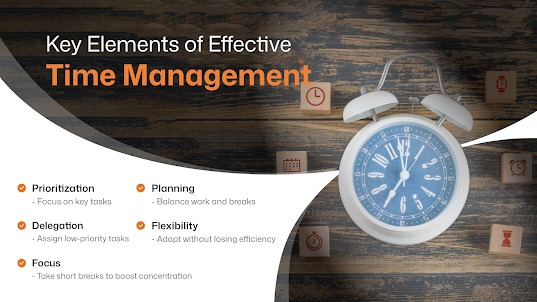
Leverage Time Management to Enhance Employee Well-Being


Achieving a balance between employee well-being and productivity is crucial for both the employer and employees. Productivity greatly depends on employee easenes; when they feel overworked and stressed they become less productive which can lead to burnout and a decline in morale.

On one hand, there are businesses that prioritize employee well-being and experience enhanced creativity, commitment, and efficiency and on the other hand, there are those who feel overwhelmed by work leading to underperformance.

At the crux of these objectives is effective time management – which is nothing but a strategic tool to boost productivity and safeguard both the mental and physical health of the employees.

In the following blog, we will explore how effective time management can balance employee well-being and productivity. We will delve into its benefits, provide actionable strategies, and also provide insights into building a supportive work culture.

How Employee Well-Being and Time Management are interdependent


Time management is all about planning and executing tasks in an allotted time. It increases effectiveness, efficiency, and productivity. Moreover, it’s not about working long hours but working strategically to meet business goals.
Effective time management involves:

  • Prioritization: Determine which tasks need to be completed first. Implement the Eisenhower matrix to prioritize work.
  • Planning: Allocate time for both work and breaks.
  • Delegation: Determine the tasks that are Urgent but not important, you can simply delegate them.
  • Flexibility: Be flexible by allowing room for unexpected challenges without affecting productivity.
  • Focus: Breaks in a short interval also increases focus facilitating faster execution of tasks.

These aspects enable employees to create a daily routine that promotes productivity without affecting personal well-being.

Read the full blog

Monday, 30 September 2024

Streamline Your Workflow with Orangescrum’s Advanced Project Management Tools


In today's fast-paced business environment, efficient workflow management is critical to keeping teams productive and projects on track. With multiple tasks, team members, and deadlines to juggle, a reliable project management solution is key.

That’s where Orangescrum comes in. Orangescrum’s advanced project management tools offer a comprehensive solution to streamline your workflows, enhance collaboration, and ensure successful project completion.

In this blog, we’ll explore how Orangescrum's powerful features can transform your project management, boost productivity, and help you achieve more with less effort.

Read the full blog

Thursday, 12 September 2024

What is the Significance of Time Tracking in Project Management

In the fast-paced world of project management, every minute counts. Time tracking, a fundamental yet often overlooked aspect, plays a critical role in the success of any project.

From meeting deadlines to optimizing resources, effective tracking can be the difference between a project that thrives and one that falls short.

In this blog, we'll explore the significance of time tracking in project management, how it impacts various aspects of a project, and why it should be a priority for any project manager.

1. Enhancing Productivity and Efficiency

One of the primary benefits of tracking time is its ability to boost productivity and efficiency.

By monitoring the amount of time spent on specific tasks, project managers can identify bottlenecks, unproductive activities, and areas where improvements can be made.

This insight allows teams to optimize their workflow, allocate resources more effectively, and ultimately get more done in less time.

For example, if a particular task consistently takes longer than expected, the project manager can investigate the cause and implement strategies to streamline the process.

This might involve additional training, better tools, or reassigning tasks to more skilled team members.

2. Accurate Project Planning and Scheduling

Time tracking is essential for accurate project planning and scheduling. When project managers have a clear understanding of how long tasks and activities take, they can create more realistic timelines and set achievable deadlines.

This accuracy in planning reduces the risk of projects running over time and budget, ensuring that clients and stakeholders are satisfied with the outcomes.

Moreover, historical tracking data from previous projects can be invaluable when planning new projects. By analyzing past performance, project managers can make more informed decisions, anticipate potential challenges, and allocate resources more effectively.

Read the full blog   

Thursday, 25 July 2024

How To Use Orangescrum For Time Tracking


In the dynamic landscape of modern business, where time tracking is crucial and efficiency is key, organizations are increasingly turning to innovative tools like time tracking software. Orangescrum, a comprehensive project management tool that offers robust time tracking features designed to streamline operations, optimize resource allocation and enhance overall efficiency.

Orangescrum time tracking capabilities go beyond simple clocking in and out. It provides insightful analytics, facilitates better project planning, and enables precise billing. By leveraging these features, businesses can gain a clearer understanding of where their time and resources are being invested, identify areas for improvement, and make data-driven decisions that foster growth and success.

These solutions transcend basic clocking in and out, offering multifaceted benefits that revolutionize operations and drive productivity.

Read the full blog

Monday, 1 April 2024

14 Must Have Features in a Project Management Software


In the dynamic landscape of project management, the right software is crucial to transform chaos into streamlined collaboration and success. As a software company committed to delivering cutting-edge solutions for customers, understanding the essential features that elevate project management software is paramount.

In this blog, we embark on a journey to uncover and explore the top must-have features that define a robust project management tool.

Whether you're a seasoned project manager or a tech enthusiast, these features are the keys to unlocking unparalleled efficiency and success in your project endeavors.

Join us as we unveil the elements that make project management software indispensable in the quest for organizational excellence.

What is Project Management Software?

Project management software is a tool designed to assist individuals and teams in planning, organizing, and executing projects efficiently.

It serves as a centralized platform where users can create schedules, allocate resources, track progress, communicate with team members, and manage tasks, all in one place.

This software typically offers features such as task lists, Gantt charts, calendars, file sharing, and collaboration tools to streamline project workflows and enhance productivity.

Read the full blog


Thursday, 21 March 2024

How to Maximize Productivity in the Hybrid Workforce


In recent years, the traditional office-based work model has undergone a significant transformation with the rise of the hybrid workforce. As companies embrace flexible work arrangements, the need for effective Hybrid Workforce Management has become more crucial than ever. 

Balancing remote and in-office work requires thoughtful strategies to ensure productivity remains at its peak. 

In this blog post, we'll explore key strategies for managing a hybrid workforce to maximize productivity.

Read the full blog

Thursday, 24 November 2022

How 3E Approach Help to Manage Remote Workforce


From the early pre-industrial era to the modern information age, the evolution of work has experienced several changes. The globe was greatly impacted by the outbreak. According to the Owl Labs State of Remote Working Report 2020, 77% of respondents concur that being able to work from home after COVID-19 would make them happy.

We are most definitely not going back in the time given the degree of freedom and liberty with the new normal. The necessity of hybrid remote team management and onsite working styles has also been mentioned by several other international leaders. But are businesses and the sizable, multigenerational workforce prepared for this paradigm shift?

We believe Remote to be the new Normal

Working remotely does involve a lot of rethinking and adjusting. A substantial change in business culture requires a well-organized methodology and strong executive backing. Investments in infrastructure, technology, and tools may help enterprises profit from remote working while also empowering people.

We introduce the 3E approach of Embrace-Enable-Empower through this Point of View post to assist businesses and individuals in mastering the art of work from anywhere. According to our predictions, the workplace of the future will be a hybrid one that allows for remote team management. This transformation in the workplace and working methods is not merely a passing trend; it represents a revolution in the modern day.

Embrace

Every transition usher in a fresh start. Embrace it from a new angle is the first step. The capacity of each of us to unwire and rewire the brain is significant. Being in a condition of resistance and frustration saps energy and is unhelpful. Therefore, to master the remote workforce in a frictionless mechanism and maintain this work style, we must continually concentrate on 3 pillars, both consciously and subconsciously.

Physical, mental, and emotional well-being

The importance of mental health was highlighted by nationwide lockdown scenarios brought on by the epidemic, particularly given the growth in feelings of loneliness and isolation among those who work from home. When designing the home office, ergonomics must be a top priority. This includes a sitting position, light intensity, an adjustable workstation, and comfy headphones. Filling timesheets isn't fully about finishing tasks but to collaborate with the team efficiently.

Goals, Collaboration, and Learning

Making significant progress can be challenging without access to nearby peer colleagues, water cooler talks, or coffee breaks with coworkers, especially when the objective of the job is unclear. Leaders have to convey the mission, vision, and objectives in a way that is independent of place. Project management is not just about completing the task.

Read more on Remote Workforce with 3E Approach