Showing posts with label Agile methodologies. Show all posts

Thursday, 6 March 2025

Top 10 Resource Management Strategies for Maximum Efficiency

Effective resource management is the cornerstone of operational success, enabling organizations to optimize human, financial, and technological assets. 

Research indicates that companies with robust resource management strategies can see project success rates improve by 20–30% and overall productivity increase dramatically. 

This infographic delves into the top 10 strategies, supported by compelling statistics and practical tips, to help you maximize efficiency and drive better outcomes.

1. Strategic Resource Planning and Forecasting

  • Description: Develop detailed forecasts of resource needs by analyzing historical data and anticipating future project demands.

  • Statistic: Organizations engaging in strategic resource planning report a 20–30% improvement in project outcomes.

  • Tips:

    • Use advanced project management software to map resource needs.

    • Review and adjust forecasts quarterly.

2. Implement a Centralized Resource Management System

  • Description: Adopt a centralized, cloud-based platform to streamline resource allocation and reduce conflicts.

  • Statistic: Companies using centralized systems experience up to a 25% reduction in resource conflicts and downtime.

  • Tips:

    • Evaluate solutions like Asana, Trello, or Microsoft Project.

    • Ensure integration with other enterprise tools.

Monday, 2 December 2024

Common Project Management Pitfalls


Managing projects can be a complex and challenging task. Despite advanced tools and methodologies, many projects still need to meet expectations.

This infographic highlights the key pitfalls that can derail projects, from unclear goals and poor communication to unrealistic deadlines and scope creep.

By understanding these challenges, project managers can take proactive steps to mitigate risks and improve their chances of success.

The data also sheds light on broader trends, including the impact of agile methodologies, project management offices (PMOs), and stakeholder engagement, offering valuable insights for both small teams and large organizations.

Read the full blog


Tuesday, 12 March 2024

Implementing Agile in Non-Software Projects


Agile methodologies, initially developed for the software industry, have rapidly gained traction in various non-software domains. The principles of Agile, rooted in flexibility, collaboration, and adaptability, prove equally effective in enhancing project management and product development in non-IT sectors. 

The Agile Mindset

At its core, Agile is more than a set of practices; it's a mindset that emphasizes customer satisfaction, collaboration, and responding to change. This mindset can be applied successfully to non-software projects, such as marketing campaigns, construction projects, event planning, and product development. 

Key Principles of Agile in Non-Software Projects

Read the full tutorial

Wednesday, 14 February 2024

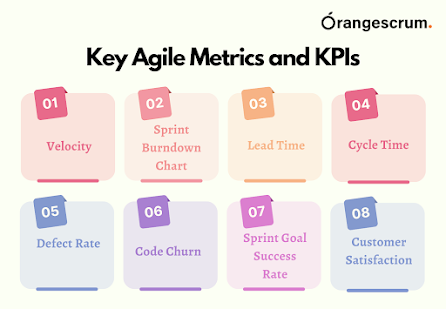
Agile Metrics and KPIs: Measuring Team Performance

Agile methodologies have transformed the way teams approach project management and product development. Central to the Agile philosophy is the idea of continuous improvement, which relies on data-driven insights to make informed decisions. 


Agile Metrics and Key Performance Indicators (KPIs) provide a structured way to measure team performance, identify areas for improvement, and drive success.


The Purpose of Agile Metrics and KPIs


Agile Metrics and KPIs serve multiple purposes within an Agile team:


  • Continuous Improvement: Metrics provide valuable feedback on processes, allowing teams to identify areas that need improvement. This fosters a culture of continuous learning and adaptation.